
A year on from the fall of Kabul, Australian reporter Lynne O’Donnell returned to Afghanistan — and now says she’ll never go back.
O’Donnell returned for three days last month, only to be detained, forced to retract articles, and coerced into making a public apology for accusing the Taliban of sex slavery.
During this harrowing time, she was in close contact with Massoud Hossain, a Kabul-born photojournalist.
- READ MORE: Lynne O’Donnell: Taliban detained, abused and threatened me
- Afghanistan, the Taliban and the liberation narrative: Why it is so vital to be telling our own stories — Pacific Journalism Review
- LISTEN TO RNZ SATURDAY MORNINGS: Lynne O’Donnell and Massoud Hossain describe their ordeal
- See a gallery of Massoud Hossain’s images
The pair have worked together in Afghanistan for years, and both are on a Taliban death list.
Hossain is currently based in New Zealand, where he has been given asylum.
O’Donnell is a Foreign Policy columnist and was Afghanistan bureau chief for Agence France-Presse (AFP) and the Associated Press (AP) between 2009-2017.
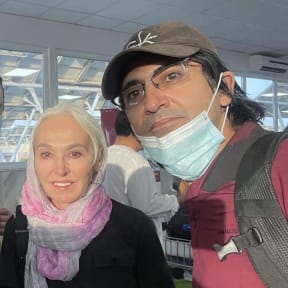
Hossaini is a Pulitzer prize-winning photojournalist who joined AFP in 2007. In 2021 he won the William Randolph Hearst Award for Excellence in Professional Journalism.
They talk to RNZ broadcaster Kim Hill on their experiences and how they see the future for Afghanistan.
O’Donnell’s introduction to her Foreign Policy report on July 20:
“I returned to Afghanistan this week, almost one year after the withdrawal of the US military cleared the way for the Taliban’s victory. I wanted to see for myself what had become of the country since I flew out of Kabul on August 15, 2021, hours before the Islamists began what many residents now refer to as a ‘reign of terror’…
“I left Afghanistan today after three days of cat-and-mouse with Taliban intelligence agents, who detained, abused, and threatened me and forced me to issue a barely literate retraction of reports they said had broken their laws and offended Afghan culture. If I did not, they said, they’d send me to jail.”
This article is republished under a community partnership agreement with RNZ.
This content originally appeared on Asia Pacific Report and was authored by APR editor.