
May 29, 2026—In the countdown to Ethiopia’s general election, journalist Bewket Abebe flew to the northern border town of Humera, in a rare attempt at on-the-ground reporting ahead of the June 1 vote.
Bewket, chief editor of The Reporter Magazine, was scheduled to meet the administrator of the contested territory, which is claimed by both Tigray and Amhara states and experienced some of the 2020-22 civil war’s worst atrocities. Human rights groups alleged ethnic cleansing, forcible deportation and mass killings of civilians.
Bewket never made the meeting.
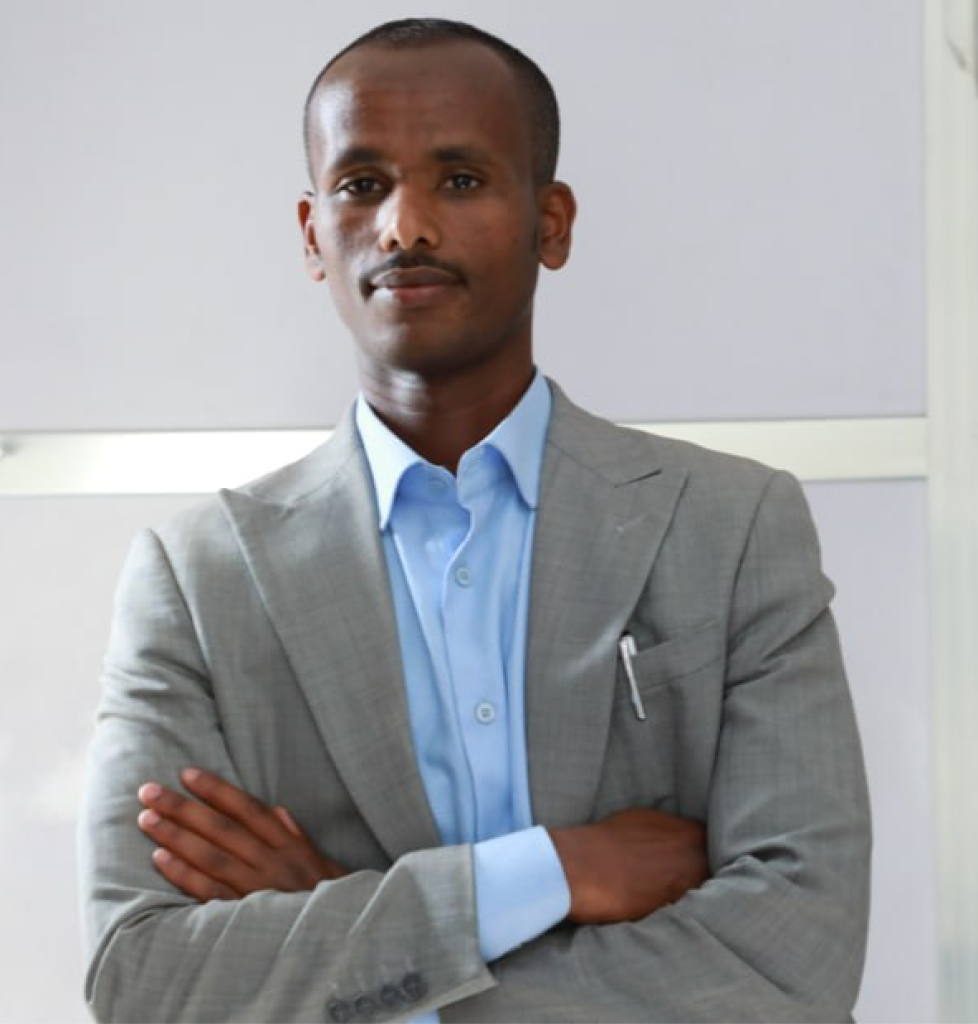
At 10 a.m. on March 21, two men in civilian clothes, who said they were security personnel, approached the journalist, hours after he had taken some photographs, and asked if he had a permit to be in Humera.
The men, who said they were security personnel, searched Bewket’s phone, phoned a superior, dismissed the journalist’s explanation that he was about to meet the zonal administrator, and took him to a police station. Bewket was held in a crowded cell for three days with about 30 other men in temperatures exceeding 106°F (41°C).
“The detention place was overflowing and crammed. It was hot and unsanitary,” said Bewket, who was eventually released without explanation and later wrote about his ordeal.
Before the war, the area was called Western Tigray Zone, as part of Tigray state. Now it is occupied by militia from neighboring Amhara state, which has unofficially renamed the territory Welkait-Tegede-Setit Humera Zone. Both sides claim the area belongs to them historically.
‘Zero tolerance’ for critical media
Tigray state remains tense and dangerous for journalists, who have been shot at, detained, and swept up in a power struggle among factions of the Tigray Peoples’ Liberation Front (TPLF), which is both a political party and a military force. In September, a TPLF official announced “zero tolerance” for critical media, pushing even more journalists to flee or abandon the profession.
No elections will take place in parts of Tigray under the administrative and military control of the historically powerful TPLF, which was banned as a party by the electoral agency in 2025.
Bewket said voters were disengaged in Amhara state where a militia, known as the Fano, took up arms in 2023 against federal forces — their former civil war allies — in opposition to the government’s decision to integrate regional militia into the federal army.
In Humera and surrounding Amhara-controlled contested areas, residents will not be able to vote for regional leaders, only the federal parliament. Bewket found residents were planning to vote but in his reporting, and Deutsche Welle’s elsewhere in Amhara, there was no sign of opposition campaigns or candidates, only ruling Prosperity Party posters and messages.
The security crisis in the Amhara region has severely compromised the upcoming election, with federal and regional voting cancelled in eight of its 138 constituencies. This follows a March threat by the Fano militia to target anyone participating. Many will also be unable to vote in Oromia, Ethiopia’s most populous region, where federal forces have been fighting the Oromo Liberation Army since 2018.
Voting is not a priority for millions who have fled conflict and are living in Internally Displaced Persons (IDP) camps, where food and shelter are often in short supply.
“It’s a luxury to talk about elections,” the resident of one IDP camp in Amhara region, providing refuge to Ethiopians fleeing multiple conflicts, told Bewket.
Intimidation of the press is ‘becoming normal’
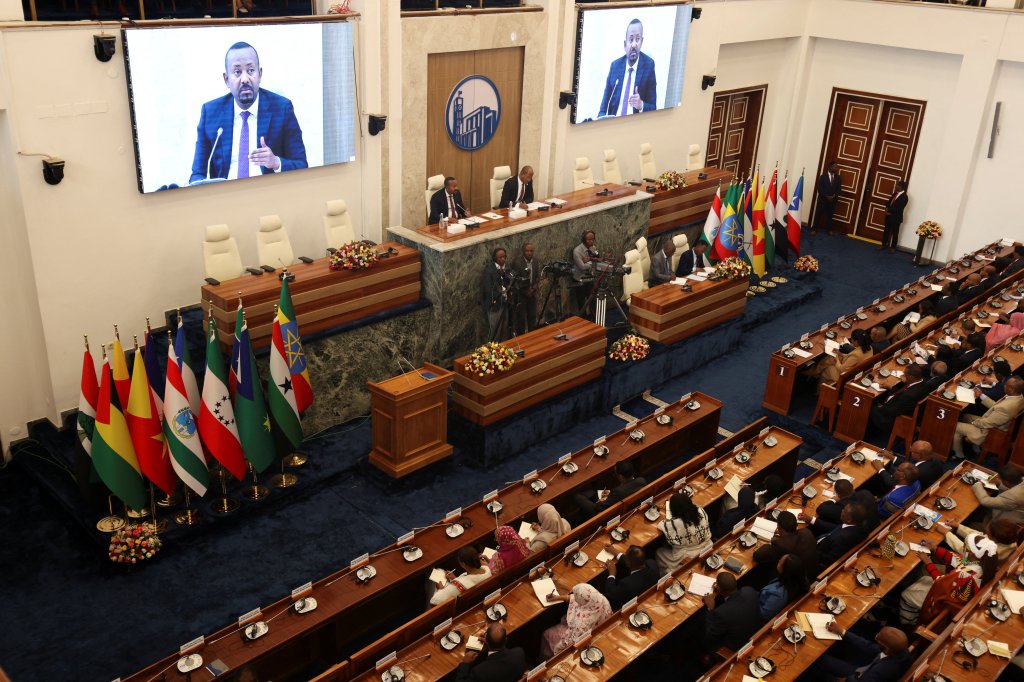
Bewket’s detention is one of numerous incidents recounted to CPJ in interviews with 11 journalists, as the stranglehold over independent reporting tightens in the run-up to the vote.
One observer dubbed the election “among the least competitive” since multiparty democracy was introduced in 1991, while the U.S.-based Journal of Democracy dismissed it as “another sham,” likely to provide a “democratic façade” for Prime Minister Abiy Ahmed and his Prosperity Party to centralize power.
“Intimidation of every kind is becoming normal,” said Bewket, highlighting the recent license suspensions as “a threat to many of us, including The Reporter.”
“They [authorities] always mention the pretext of national security. But the problem is they’re the ones defining it and it’s not clear what it means,” he said.
In addition to overt censorship, like the barring of an Agence France-Press reporter from a plane to Tigray and the revocation of Reuters’ media accreditation, CPJ’s interviews reveal parallel pressures that are rarely visible from outside Ethiopia. Informal warnings, ultimatums from regional officials, and lobbying via community elders have all hollowed out election coverage long before the first ballot is cast.
‘We are in the dark’
Journalists consistently said it was impossible to report effectively on the poll.
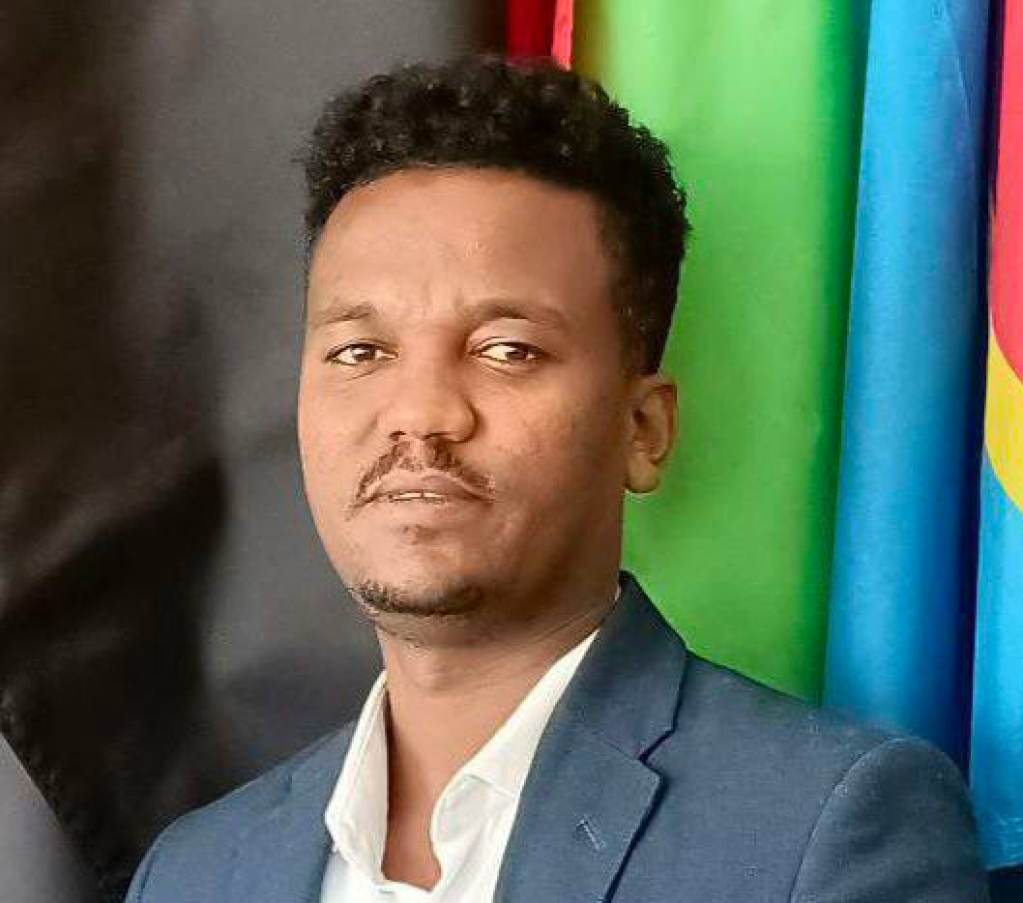
“The election board did not provide us any information and we are in the dark,” Abatu said, adding it was hard to get the National Election Board of Ethiopia to comment on opposition complaints and seeking interviews on sensitive issues, like conflict zones, was risky when repression was “rampant.”
“We have a very hard time knowing in which areas an election is to be conducted and which areas are not,” said Abatu Mereke, editor of Ethiopia Insider’s election coverage.
“To avoid any pressure and being targeted, we try to quote opposition members and the election board verbatim,” he said.
Another journalist, who recently reported on a sensitive political story for a privately owned newspaper, said the media seemed apathetic about the election, with only state-owned outlets covering it, and largely regurgitating Prosperity Party statements.
“The media is limited to reporting what one of the nearly 50 parties is saying,” the journalist said.
That apathy masks a deeper fear, said the journalist, who was phoned by other reporters who wanted to check that he had not been detained after publishing his story, rather than congratulate him.
“We walk on a tightrope,” he said. “There’s no guarantee that you’ll be safe after reports … We are always living under the shadow of fear.”
After forcible disappearance, Addis Standard staff work from home
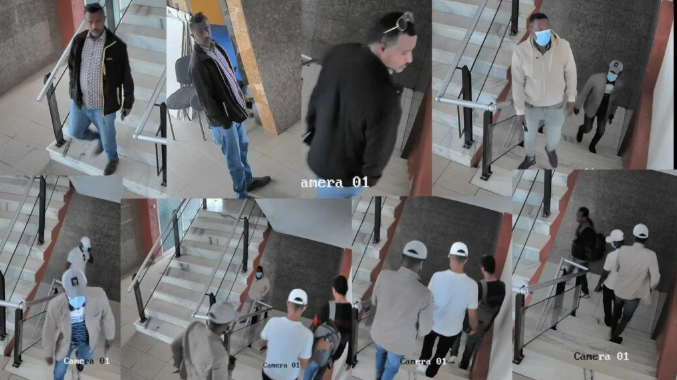
That fear has sharpened since the Addis Standard’s managing editor Million Beyene was taken from his newsroom in April by men who said he was “needed for questioning” and held in an unknown location for nearly two weeks. Million’s disappearance followed the revocation of the independent outlet’s license in February.
“The way he [Million] was detained was quite scary,” a colleague, who requested anonymity, told CPJ. “Our original plan was to report from the ground, speak with voters, interview candidates, and cover political figures. I do not think that is happening now … We are working from home.”
Detention is an ever-present risk outside the capital too, where journalists say local authorities detain, summon, and intimidate them at will.
A reporter at the online outlet Tikvah Ethiopia narrowly escaped detention, after publishing a report on communal conflict. Local authorities issued a police summons and sent officers to his home but he was warned and hid for several days.
“When you report on a local news story, either related to elections or other issues, local authorities are threatened and pressured,” said the journalist, who requested anonymity for safety reasons.

In the eastern Somali region, Abdulrazaq Hassan, founder of Udub Media, was approached in a café by a man who told him and a colleague to “collaborate” with the regional president’s office or “leave the region.” When the journalists refused, the man demanded the names of those “behind” their reporting. They refused again.
“Things like this create fear and a self-censoring environment,” Abdulrazaq said, adding that authorities apply “different kinds of pressure from many angles,” including getting respected community elders to urge journalists to cooperate “for the betterment of the region.”
As June 1 approaches, journalists say the key question is not who will win the vote, but whether citizens can obtain reliable information about it.
“I cannot say that there is a media outlet serving the public with regard to the election,” the newspaper journalist said. “The media has forgotten the meaning of election.”
The Ethiopian Media Authority, National Election Board of Ethiopia, the government spokesperson’s office and Somali Regional State Communication Bureau did not immediately respond to CPJ’s emailed requests for comment.
This content originally appeared on Committee to Protect Journalists and was authored by CPJ Staff.

CPJ Staff | Radio Free (2026-05-29T13:02:05+00:00) ‘Under the shadow of fear’: censorship is Ethiopia’s real election story, journalists say. Retrieved from https://www.radiofree.org/2026/05/29/under-the-shadow-of-fear-censorship-is-ethiopias-real-election-story-journalists-say/
Please log in to upload a file.
There are no updates yet.
Click the Upload button above to add an update.